In an era where environmental consciousness is no longer just a trend but a responsibility, the choices we make for our vehicles matter more than ever. The automotive repair industry has traditionally been associated with harsh chemicals, toxic emissions, and significant waste. However, a quiet revolution is underway—one that proves you can restore your car to perfection while being kind to the planet and your wallet. For vehicle owners seeking a smarter, cleaner approach, turning to professional dent repair Denver specialists who embrace modern, eco-conscious techniques is a decision that delivers flawless results without the environmental guilt.
The Environmental Cost Of Traditional Auto Repair
 To appreciate why Paintless Dent Repair (PDR) is such a game-changer, it helps to understand the hidden environmental toll of conventional bodywork. Traditional dent repair is a messy, chemical-heavy process. It involves sanding down the damaged area, applying body filler, and then repainting the entire panel. Each step introduces potential environmental hazards: volatile organic compounds (VOCs) from paint and thinner pollute the air, while leftover chemicals and materials risk groundwater contamination .
The numbers are striking. The global automotive aftermarket is a massive industry, and the push for sustainability is becoming a significant driver of innovation . As environmental regulations tighten—particularly in regions with stringent emissions standards—the demand for repair methods that minimize solvent usage and eliminate repaint cycles is accelerating . PDR is perfectly positioned to meet this demand because it circumvents the entire chemical-intensive process.
Paintless Dent Repair: A Virtuous Cycle Of Sustainability
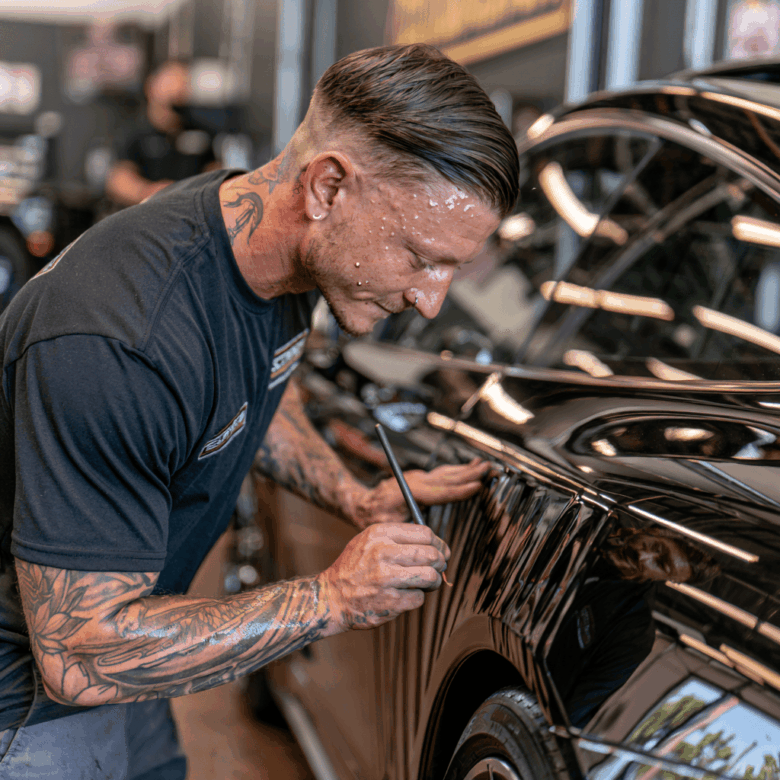
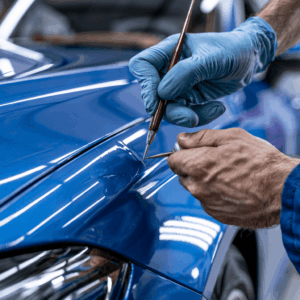
Paintless Dent Repair is, at its core, an environmentally elegant solution. The technique involves carefully massaging the dented metal back to its original shape using specialized tools, all while preserving the factory paint finish . By eliminating the need for fillers, paints, and thinners, PDR significantly reduces the release of noxious chemicals into the environment . There is no overspray, no chemical runoff, and no hazardous waste to dispose of. It is a repair method that is as clean as it is effective.
This focus on sustainability is not a niche concern; it is shaping the entire industry. Innovations like the “cold glue” system for PDR have emerged, further reducing energy consumption and eliminating the need for electricity that traditional glue techniques require . These incremental improvements demonstrate that the industry is moving toward a future where efficiency and environmental responsibility are inseparable. As one market analysis notes, the PDR market is growing precisely because it aligns with sustainability goals by curbing VOC emissions .
The Financial Incentive: Eco-Friendly Means Cost-Effective
There is a common misconception that “green” choices come with a premium price tag. PDR turns this notion on its head by being significantly more affordable than traditional repairs . The cost savings are straightforward and substantial.
First, PDR requires far less labor. A traditional repair can take days or even weeks because of the time needed for sanding, painting, and curing. PDR, by contrast, can often be completed in a few hours . This reduction in labor hours translates directly to lower costs for you. Second, the materials savings are considerable. Traditional repairs require expensive auto paint, primer, body filler, and thinners. PDR uses none of these . The savings on materials alone make a significant difference.
Furthermore, by preserving your vehicle’s original factory paint, PDR helps maintain its resale value . This is an often-overlooked financial benefit. When a car has been repainted, it can be difficult to match the color perfectly, and professional appraisers view this as a detriment. PDR keeps your car’s “skin” intact, protecting your investment for the long haul.
The Circular Economy In Auto Repair
The concept of a circular economy—where resources are kept in use for as long as possible—is gaining traction in the automotive world. PDR is a perfect example of this philosophy in action. Instead of stripping away and replacing materials, the repair process works with the existing metal and paint. This extends the lifespan of the original components and reduces the need for new parts and materials.
This trend is echoed across the industry. Companies are increasingly focused on reducing waste and emissions by repairing rather than replacing . The adoption of PDR by fleet managers and businesses is a testament to its value: it keeps vehicles operational longer, reduces downtime, and minimizes the environmental impact of maintenance . Choosing PDR is a vote for a more sustainable, less wasteful approach to vehicle care.
A Choice You Can Feel Good About
The shift toward Paintless Dent Repair represents a broader change in how we think about car maintenance. It is a recognition that we can achieve excellence without compromise. By choosing PDR, you are making a decision that benefits your vehicle, your finances, and the environment. The process is fast, affordable, and produces a flawless finish—all while eliminating the toxic byproducts of traditional body shops .
In a world where sustainability is no longer optional, PDR stands out as a clear winner. It proves that doing the right thing for the planet can also be the smartest choice for your car and your wallet. So next time a stray shopping cart or a hailstorm leaves its mark, remember that you have a green choice that saves you money and delivers perfection.